

Introduction – Why Brain Surgery Technology Is Trending in the U.S.
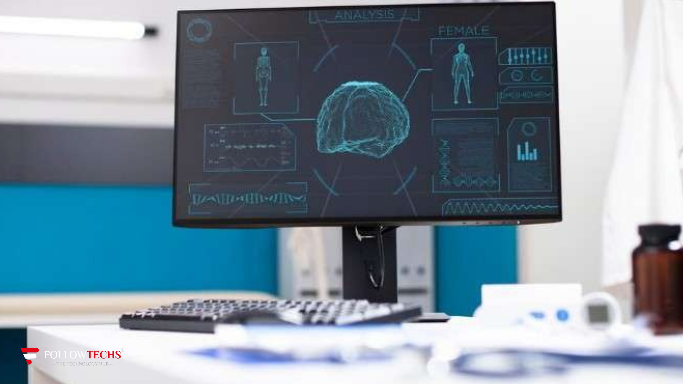
Brain surgery technology in the U.S. is one of the most exciting frontiers in medical innovation today. As technology advances at an unprecedented pace, it is reshaping how neurosurgeons diagnose, plan, and perform brain surgeries. The integration of sophisticated tools is making procedures safer, more precise, and less invasive. This surge in innovation is driven by a blend of cutting-edge research, strong investment, and a collaborative ecosystem of healthcare providers and tech developers.
For general readers and tech enthusiasts alike, understanding how technology is changing brain surgery offers valuable insight into the future of medicine. It highlights the transformative power of artificial intelligence (AI), robotics, advanced imaging, and more — all contributing to better patient outcomes and redefining what is possible in healthcare.
The Evolution of Brain Surgery Through Technology
Historically, brain surgery was a high-risk endeavor limited by the technology of its time. Early surgeons worked with basic instruments and limited visibility, which often resulted in extended recovery times and significant complications. Over the decades, technology has revolutionized this field.
The introduction of surgical microscopes and improved imaging techniques such as CT scans and MRIs allowed surgeons to see inside the brain with far greater clarity. These tools dramatically increased the safety and effectiveness of operations. Today, the evolution continues with digital innovations that provide real-time feedback and enhance surgical precision.
This ongoing transformation underscores a crucial point: brain surgery technology in the U.S. is no longer just about the surgeon’s skill alone but about how advanced technology can augment and support human expertise.
Artificial Intelligence in Brain Surgery
AI-Powered Diagnostics
Artificial Intelligence has emerged as a cornerstone of brain surgery technology in the U.S. One of its most impactful applications is in diagnostics. AI algorithms can process and analyze complex medical images faster and often more accurately than traditional methods. For example, AI systems can identify tumors, vascular abnormalities, or neurological conditions by detecting subtle patterns invisible to the human eye.
This capability not only speeds up diagnosis but also helps tailor treatment plans to individual patients. AI-driven diagnostic tools reduce uncertainty and improve the surgeon’s ability to strategize procedures with confidence.
Predictive Analytics
AI’s usefulness extends beyond diagnostics into predictive analytics. By analyzing vast datasets of patient histories, surgical outcomes, and imaging, AI can forecast potential risks during surgery and predict patient recovery trajectories.
This predictive power allows surgeons to anticipate complications before they arise and optimize their surgical approach accordingly. It also supports personalized patient care, where treatment protocols are adapted based on AI-generated insights.
Robotic-Assisted Brain Surgery
Precision and Accuracy
Robotic-assisted surgery exemplifies how medical technology is breaking new ground in brain surgery. Robots equipped with advanced sensors and fine motor controls enhance surgical precision far beyond natural human limits. This is critical when working within the brain’s delicate and complex structures.
Robotic systems facilitate minimally invasive procedures, reducing tissue damage and lowering the risk of infection. The added precision also enables surgeons to perform highly delicate maneuvers with increased confidence and reduced fatigue.
Examples of Robotic Systems
Several robotic platforms are revolutionizing neurosurgery in the U.S. While each system has unique features, common attributes include real-time imaging integration and intuitive controls that respond to the surgeon’s commands.
These robots act as extensions of the surgeon’s hands, improving steadiness and accuracy. Importantly, they do not replace surgeons but rather amplify their skills to achieve safer and more effective outcomes.
Advanced Brain Imaging and 3D Mapping
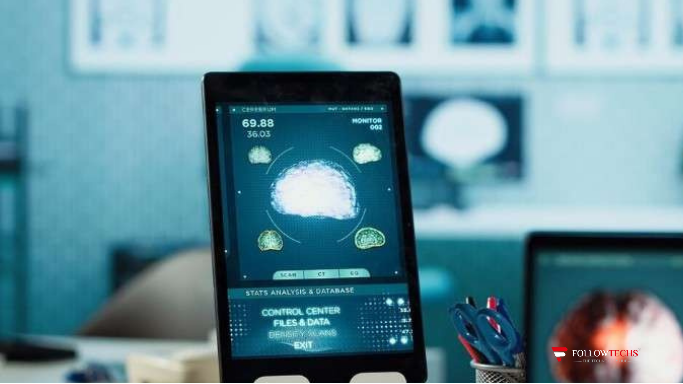
High-resolution imaging technologies have transformed brain surgery by offering detailed and dynamic views of brain structures. Techniques such as functional MRI (fMRI) and diffusion tensor imaging (DTI) map brain activity and nerve pathways in three dimensions.
This level of detail allows surgeons to plan surgeries around critical brain areas responsible for speech, movement, and other vital functions. 3D mapping further enables simulation of surgical approaches, helping to minimize risks before the first incision is made.
Together, these imaging advancements make brain surgery more accurate and less invasive, significantly improving patient safety and recovery.
Augmented Reality (AR) and Virtual Reality (VR) in Neurosurgery
Augmented Reality and Virtual Reality represent a new frontier in brain surgery technology. AR overlays digital data onto the real surgical field, providing surgeons with critical information such as tumor boundaries or blood vessel locations directly in their line of sight. This reduces the need to look away at separate screens, enhancing focus and precision.
VR is mainly used for training and surgical planning. Neurosurgeons can immerse themselves in a virtual brain model to practice complex procedures in a risk-free environment. This hands-on experience improves skill acquisition and prepares surgeons for unexpected challenges during real operations.
The Role of Big Data and Cloud Computing in Brain Surgery
Big data and cloud computing are foundational to advancing brain surgery technology. Hospitals and research centers collect enormous volumes of patient data, including imaging, electronic health records, and surgical outcomes. Analyzing this data helps identify best practices and novel treatment approaches.
Cloud computing enables secure, scalable storage and facilitates collaboration among healthcare professionals worldwide. Surgeons can access up-to-date research, share surgical plans, and consult experts remotely, enhancing decision-making and patient care.
This interconnected approach accelerates innovation and ensures that advancements in brain surgery technology benefit patients across the country.
Cybersecurity and Data Protection in Medical Technology
As brain surgery becomes increasingly reliant on digital tools, cybersecurity and data protection are paramount. Patient health information is highly sensitive, and breaches can have serious consequences.
Hospitals and technology providers implement robust security measures such as data encryption, multi-factor authentication, and continuous system monitoring to safeguard patient data. Furthermore, ensuring the integrity of surgical systems against cyberattacks is critical to prevent disruptions that could impact patient safety.
Cybersecurity remains a top priority in the development and deployment of brain surgery technology in the U.S.
Why the United States Leads Brain Surgery Technology
The U.S. is a global leader in brain surgery technology due to several key factors. First, significant investment in medical research and development fuels innovation. Government agencies, private companies, and academic institutions collaborate closely to translate scientific discoveries into practical tools.
Second, the U.S. benefits from a strong ecosystem of world-class hospitals and technology startups that pioneer new solutions. This environment encourages rapid adoption of advanced technologies and continuous refinement.
Lastly, regulatory frameworks strike a balance between fostering innovation and ensuring patient safety, allowing new technologies to reach the market efficiently.
Together, these strengths position the U.S. at the forefront of brain surgery technology globally.
Ethical and Technological Challenges
Despite remarkable progress, brain surgery technology faces important ethical and technological challenges. Protecting patient privacy and securing informed consent for the use of AI and data-driven tools require ongoing vigilance.
Technologically, ensuring that AI algorithms are unbiased, transparent, and clinically validated is critical. Integrating multiple complex systems—such as robotics, imaging, and AI—demands interoperability standards and rigorous testing.
Equitable access to advanced brain surgery technology also poses a challenge, as disparities in healthcare resources can limit availability for some populations.
Addressing these issues thoughtfully is essential for responsible innovation.
The Future of Brain Surgery Technology in the U.S.
Looking forward, the future of brain surgery technology in the U.S. is promising and dynamic. Emerging innovations such as brain-computer interfaces may open new therapeutic possibilities for neurological disorders.
AI will continue to evolve, providing deeper insights and decision support. Robotic systems are expected to become more autonomous and capable of complex tasks with minimal human intervention.
Personalized medicine, driven by genetic and molecular profiling, will tailor treatments to the individual patient’s biology. Meanwhile, AR and VR will expand their roles in both clinical and educational settings.
This future envisions brain surgery as a highly precise, personalized, and patient-friendly field, powered by ongoing technological breakthroughs.
Conclusion – How Technology Is Redefining Brain Surgery
Brain surgery technology in the U.S. is reshaping neurosurgery by integrating AI, robotics, advanced imaging, and immersive visualization tools. These advancements enhance precision, safety, and patient outcomes while expanding the possibilities of what brain surgery can achieve.
As technology continues to advance, it not only supports surgeons but also transforms patient care, making brain surgery less invasive and more effective. The U.S. leads this transformation thanks to its innovation-driven ecosystem.
Ultimately, technology is redefining brain surgery, making it a shining example of the future of medicine where human skill and cutting-edge tools combine to save and improve lives.
