
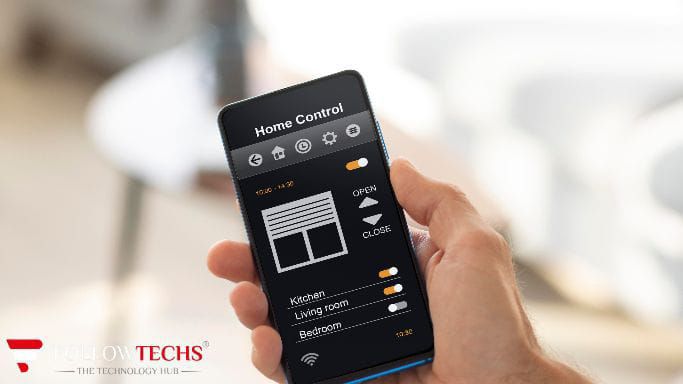

Smart homes are revolutionizing the way we live, offering unprecedented convenience, security, and energy efficiency. As technology continues to advance, more homeowners are embracing smart home solutions to enhance their daily lives. This comprehensive guide explores everything you need to know about smart homes, from basic concepts to advanced implementations
What is a Smart Home?
A smart home is a residence equipped with internet-connected devices that enable remote monitoring and management of appliances, systems, and services. These devices communicate with each other through a central hub or directly via Wi-Fi, allowing homeowners to control various aspects of their home through smartphones, tablets, or voice commands.
The concept of smart homes has evolved significantly over the past decade. What once seemed like science fiction is now an accessible reality for millions of households worldwide. From smart thermostats that learn your preferences to security cameras you can monitor from anywhere, smart home technology is transforming ordinary houses into intelligent, responsive living spaces.
Key Benefits of Smart Homes
Enhanced Convenience
One of the most significant advantages of smart homes is the unparalleled convenience they offer. Imagine controlling your lights, temperature, entertainment systems, and security devices all from a single app on your smartphone. You can adjust your home’s settings before you arrive, ensuring the perfect environment awaits you.
Voice-activated assistants like Amazon Alexa, Google Assistant, and Apple’s Siri have made controlling smart home devices even easier. Simple voice commands can dim lights, play music, lock doors, or provide weather updates, making daily routines smoother and more efficient.
Improved Energy Efficiency
Smart homes contribute significantly to energy conservation and cost savings. Smart thermostats learn your schedule and preferences, automatically adjusting temperatures to optimize energy use. They can detect when you’re away and reduce heating or cooling accordingly, potentially saving hundreds of dollars annually on energy bills.
Smart lighting systems use LED technology and can be programmed to turn off when rooms are unoccupied. Some systems even adjust brightness based on natural light availability, further reducing electricity consumption. Smart plugs and power strips can monitor energy usage and cut power to devices in standby mode, eliminating phantom power drain.
Enhanced Security and Safety
Security is a primary concern for homeowners, and smart home technology provides comprehensive solutions. Smart security cameras offer real-time video feeds accessible from anywhere, while smart doorbells let you see and communicate with visitors even when you’re not home. Motion sensors can trigger alerts and activate cameras when unexpected movement is detected.
Smart locks eliminate the need for physical keys and allow you to grant temporary access to guests or service providers remotely. You can receive notifications whenever doors are opened or closed, providing peace of mind about your home’s security status. Additionally, smart smoke detectors and carbon monoxide alarms can send immediate alerts to your phone, potentially saving lives.
Increased Home Value
Installing smart home technology can increase your property’s market value. As more buyers seek modern, tech-enabled homes, properties with integrated smart systems become more attractive. Real estate experts note that homes with smart features often sell faster and at higher prices than comparable properties without such technology.
Essential Smart Home Devices
Smart Speakers and Voice Assistants
Smart speakers serve as the central hub for many smart home ecosystems. Devices like Amazon Echo, Google Nest Audio, and Apple HomePod not only play music and answer questions but also control other smart devices through voice commands. They can set reminders, manage shopping lists, provide news updates, and even make phone calls.
Smart Thermostats
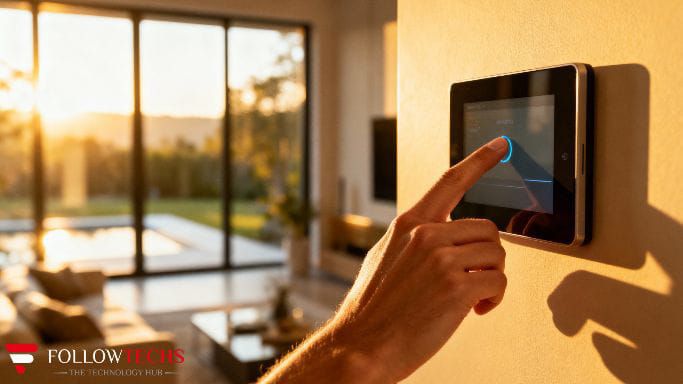
Smart thermostats like the Nest Learning Thermostat and Ecobee SmartThermostat are among the most popular smart home devices. They learn your temperature preferences and daily routines, creating automated schedules that optimize comfort and efficiency. Many models provide detailed energy reports, helping you understand and reduce your consumption patterns
Smart Lighting Systems
Smart bulbs and lighting systems offer customizable illumination options. You can adjust brightness, change colors, and create lighting scenes for different activities or moods. Brands like Philips Hue, LIFX, and Wyze offer various options ranging from individual smart bulbs to complete lighting systems that can be controlled via apps or voice commands.
Smart Security Cameras
Modern smart security cameras provide high-definition video, night vision, motion detection, and cloud storage options. Popular brands include Ring, Nest, Arlo, and Blink. Many cameras offer two-way audio, allowing you to communicate with people at your door or deter potential intruders. Advanced features include facial recognition, package detection, and integration with other smart home devices.
Smart Locks
Smart locks enhance security while adding convenience. They allow keyless entry through smartphone apps, PIN codes, or biometric authentication. You can grant temporary access to guests, track who enters and exits your home, and receive alerts about door activity. Popular models include August Smart Lock, Schlage Encode, and Yale Assure Lock.
Smart Plugs and Switches
Smart plugs are affordable entry points into home automation. They transform ordinary appliances into smart devices, allowing remote control and scheduling. Smart switches replace traditional wall switches, enabling voice or app control of lighting and other hardwired devices without changing the fixtures themselves.
Setting Up Your Smart Home
Planning Your System
Before purchasing smart home devices, assess your needs and priorities. Consider which aspects of your home life would benefit most from automation. Do you want to focus on security, energy efficiency, convenience, or entertainment? Creating a plan helps avoid purchasing incompatible devices or features you won’t use.
Research different smart home ecosystems and choose one that aligns with your preferences. The major platforms—Amazon Alexa, Google Home, and Apple HomeKit—each have strengths and compatible device selections. Some devices work across multiple platforms, while others are ecosystem-specific.
Starting Small
You don’t need to automate your entire home immediately. Start with one or two devices in areas where you’ll notice the most benefit. Smart speakers or smart plugs are excellent starting points, as they’re affordable and easy to install. As you become comfortable with the technology, gradually expand your system.
Ensuring Network Security
Smart home devices connect to your home network, making cybersecurity crucial. Use strong, unique passwords for all devices and accounts. Enable two-factor authentication wherever possible. Keep device firmware updated to protect against security vulnerabilities. Consider creating a separate network for smart home devices to isolate them from computers and phones containing sensitive information.
Integration and Automation
Creating Routines and Scenes
The true power of smart homes lies in automation. Routines allow multiple devices to work together based on triggers like time of day, location, or voice commands. For example, a “Good Morning” routine might gradually brighten bedroom lights, adjust the thermostat, and start your coffee maker. A “Leaving Home” routine could lock doors, adjust the thermostat, and activate security cameras.
IFTTT and Advanced Automation
Services like IFTTT (If This Then That) enable advanced automation by connecting devices and services that might not naturally integrate. You can create custom applets that trigger actions across different platforms, such as having your smart lights flash when your security camera detects motion or automatically logging thermostat data to a spreadsheet.
Challenges and Considerations
Compatibility Issues
Not all smart devices work together seamlessly. Different manufacturers use various communication protocols, and not every device is compatible with every smart home platform. Research compatibility before purchasing to ensure devices will integrate with your existing system. Standards like Matter aim to improve interoperability across brands and platforms.
Privacy Concerns
Smart home devices collect data about your habits and routines, raising privacy questions. Always-listening voice assistants and cameras with cloud storage can feel intrusive. Read privacy policies carefully, understand what data companies collect, and adjust settings to limit data sharing. Use devices from reputable manufacturers with transparent privacy practices.
Reliability and Maintenance
Smart home systems depend on internet connectivity and power. Network outages can render devices temporarily useless, and devices require regular software updates. Plan for backup control methods, especially for critical systems like locks and security. Budget for eventual device replacement as technology evolves and older devices become obsolete.
Cost Considerations
While individual smart devices have become more affordable, outfitting an entire home can be expensive. Factor in not just device costs but also potential subscription fees for cloud storage, professional installation, and ongoing maintenance. However, energy savings and increased home value.
